Handstands Guidebook
£9A planned written resource to revisit. Final content and availability will be confirmed before sales begin.
Guidebook — Coming SoonHandstands combine strength, balance and a learned skill. Start with the foundations: a suitable practice space, gradual loading and help from a qualified coach when learning inversion and safe exits.
Free guides to read now. Ebook and video course coming soon.
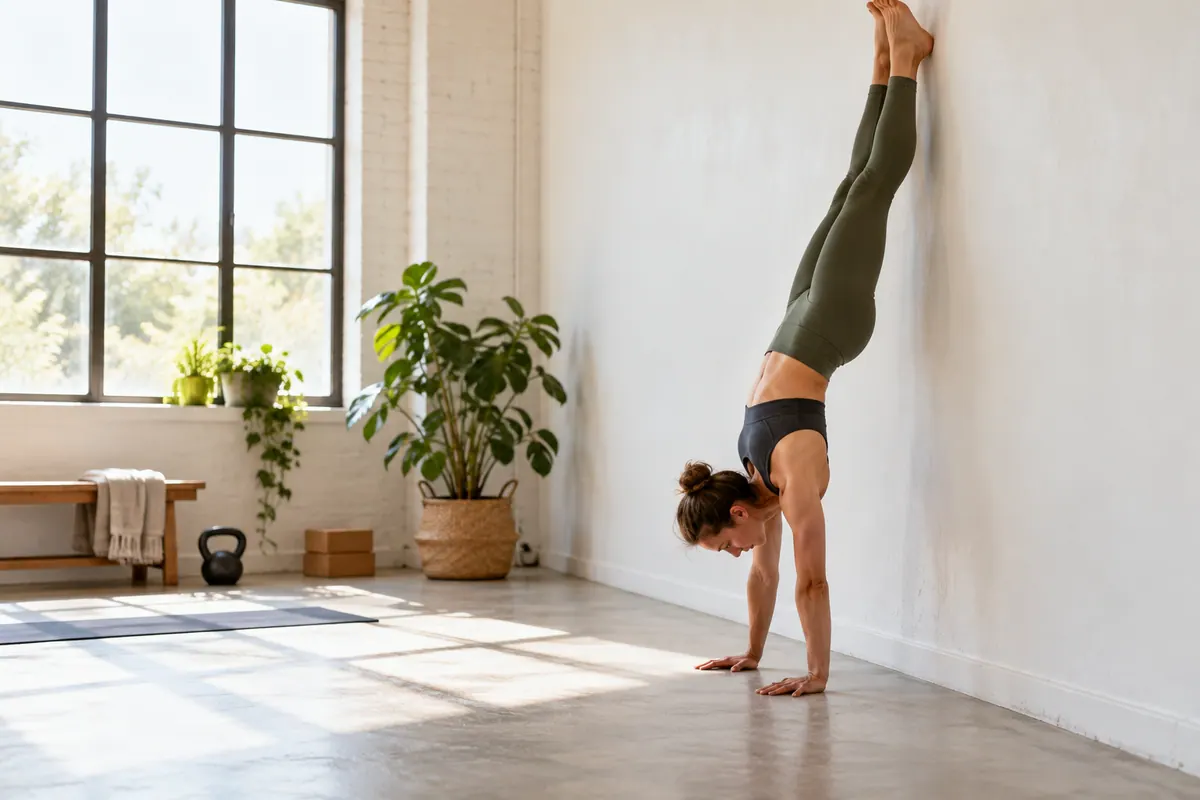
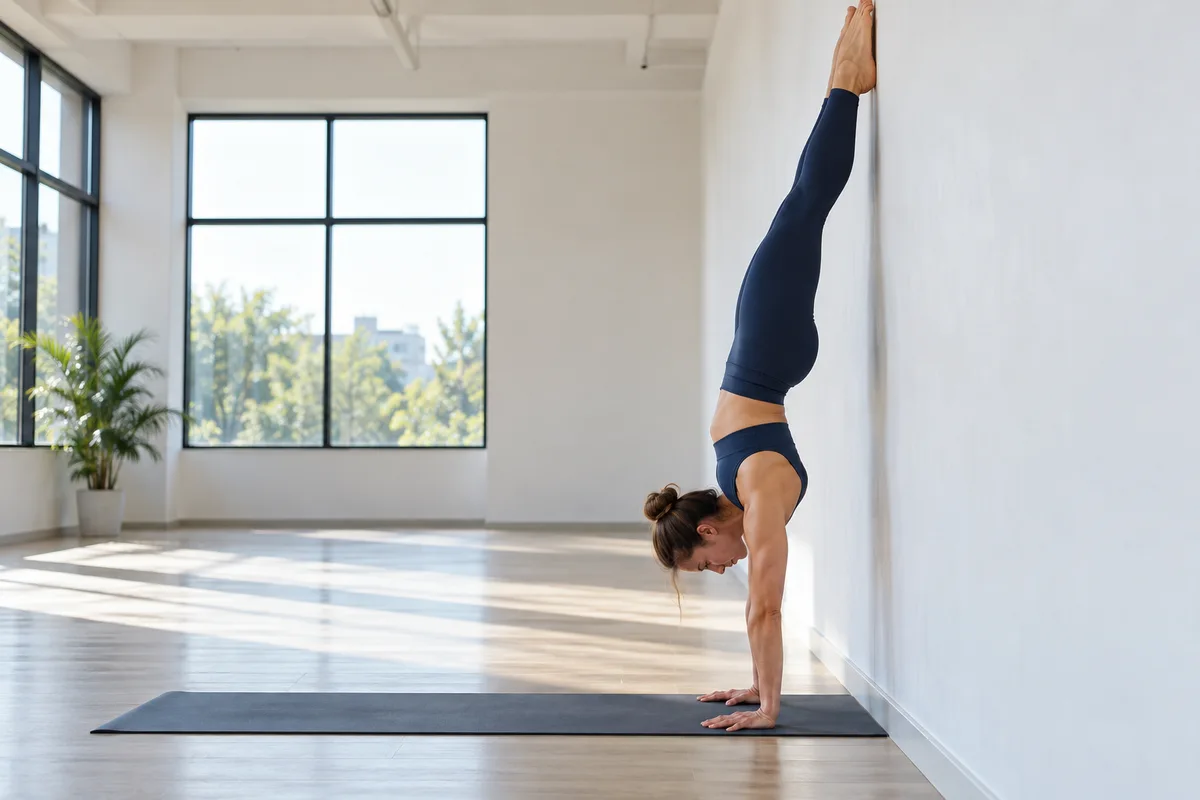
A handstand is more than being strong enough to push from the floor. It involves supporting weight through the hands, coordinating the shoulders and trunk, finding balance and getting down safely.
Different learners need different starting points. A video cannot assess an injury, medical concern or the space around you, so in-person coaching is especially useful for beginners.
Our free Handstands starter ebook is planned. Until it is ready, explore the practical articles on this website.
Choose a small, achievable focus for each session: a clear setup, comfortable basic loading or a cue agreed with your coach. Warm up, use a safe floor and keep enough space around you.
Separate skill practice from the urge to exhaust yourself; tired attempts can be harder to control. Record one useful observation rather than comparing every session with a highlight reel.
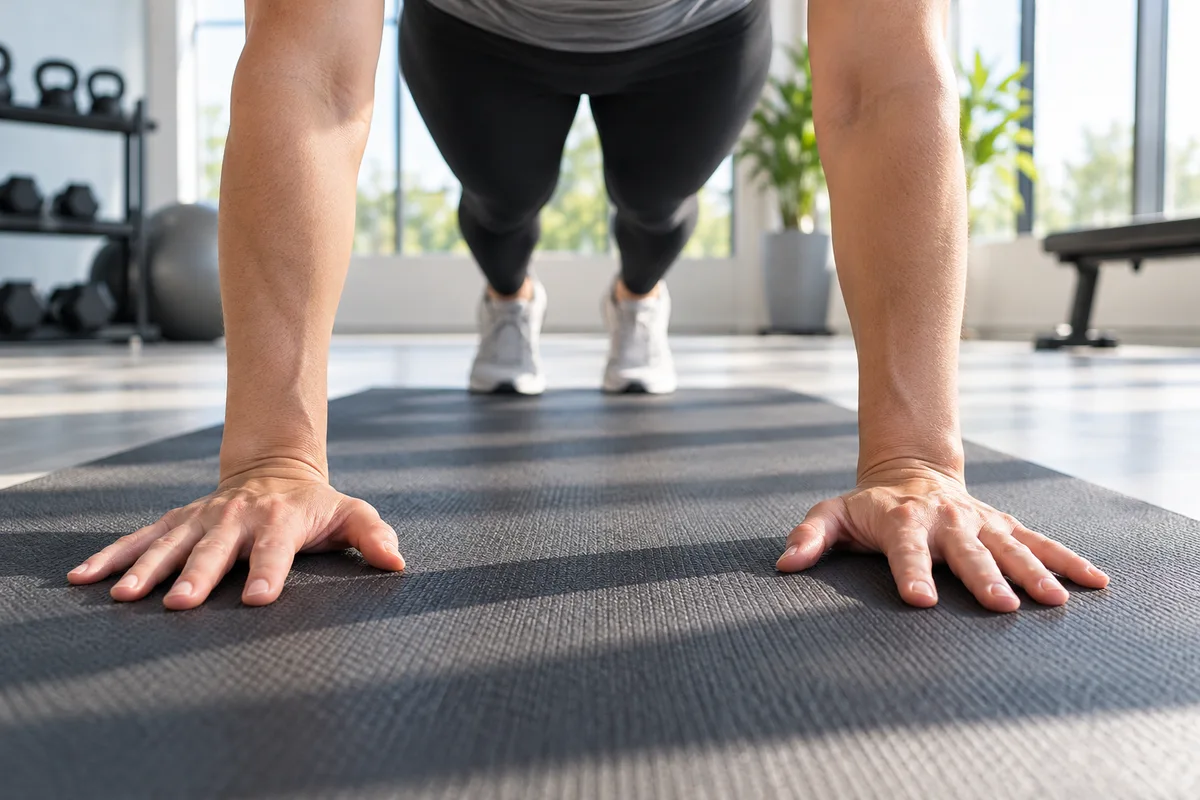
Our planned Handstands Online Video Course will bring the main ideas together. The course has not been created; enrolment is not open.
Planned price £27. No payments or orders are being taken.
Explore the video courseA planned written resource to revisit. Final content and availability will be confirmed before sales begin.
Guidebook — Coming SoonA planned video learning resource. Lessons, running time and access arrangements are not yet confirmed.
Course — Coming SoonExplore the practical questions first, then choose the information that fits your own circumstances.
Understand the foundations of learning handstands, choosing a coach and preparing an appropriate practice space.
Read the guideThink about wrist comfort, preparation and professional advice before placing substantial body weight through your hands.
Read the guideUnderstand why entries, exits, space and coaching matter before using a wall for handstand practice.
Read the guideCreate a manageable learning routine with clear goals, recovery and feedback instead of an arbitrary daily challenge.
Read the guideStart with the essentials. Follow the linked guides for more detail and sources.
Many people can develop the skill with suitable preparation and coaching, but starting points and progress vary. This site does not promise a fixed timetable.
Beginners should seek qualified coaching to learn appropriate progressions, spotting and exits. Avoid unsupported inversion without a reliable, taught exit and a suitable space.
Stop the activity and seek appropriate advice for persistent or concerning pain. Do not use a website routine to diagnose or rehabilitate an injury.
No special handstand diet is required. Ordinary balanced meals, hydration and adequate rest support a broader activity routine.
Control, a safe exit and manageable practice matter too. A tired hold with poor control is not necessarily useful progress.
A £9 guidebook and £27 online video course are planned. Neither has been created or is available to buy.
Clear answers to everyday questions.
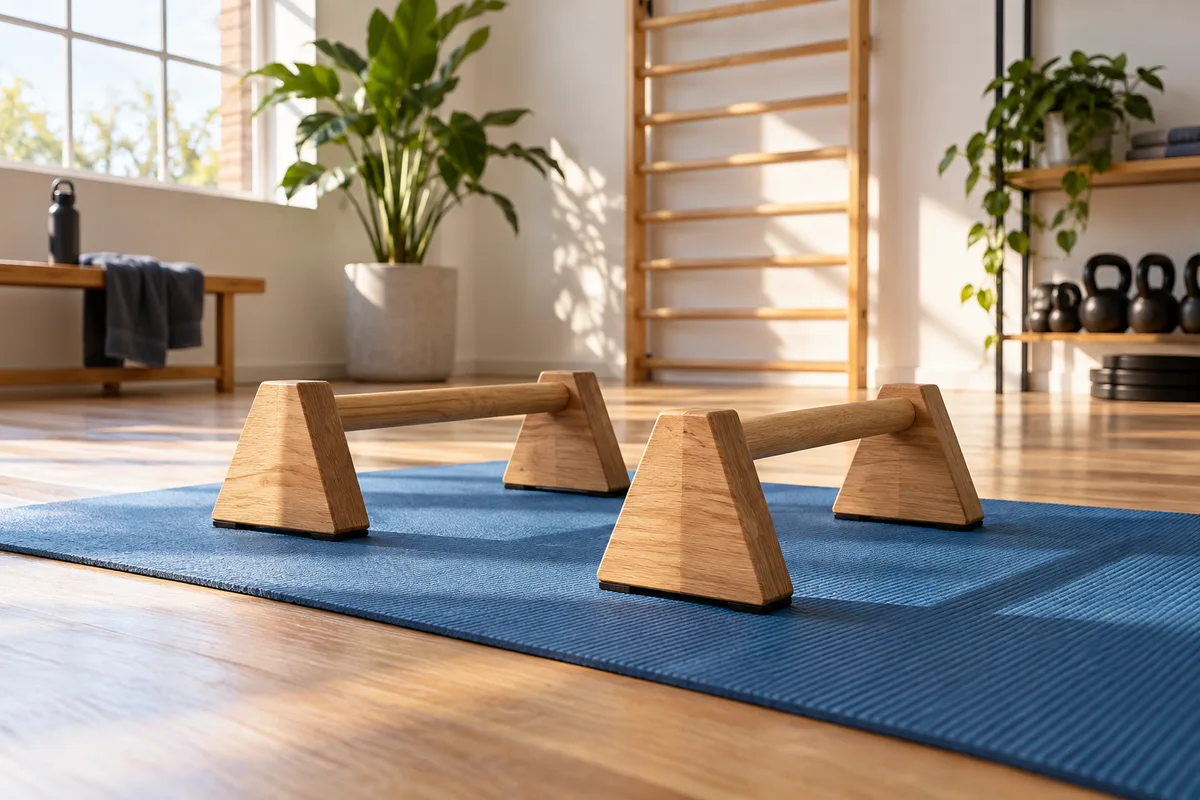
Compare beginner support, relevant qualifications, spotting and lesson structure when choosing a handstand learning environment.
Read article
Create a manageable learning routine with clear goals, recovery and feedback instead of an arbitrary daily challenge.
Read article
Keep meals, rest and general activity in perspective without buying into a special handstand diet or supplement promise.
Read articleThink about space, wrist comfort and an appropriate starting point.
Understand why coaching and safe exits matter for beginners.
Prepare questions about beginner sessions, teaching style and suitable support.
Choose one manageable focus instead of chasing endless attempts.
Notice control, consistency and confidence as well as hold times.
Plan sessions around your available space, time and wider routine.
Information is grounded in the sources linked from each article. These are learning topics, not promised results from our future products.